MARKET ANALYSIS
Unpacking Free Coastal Parking's Impact on La Jolla Luxury
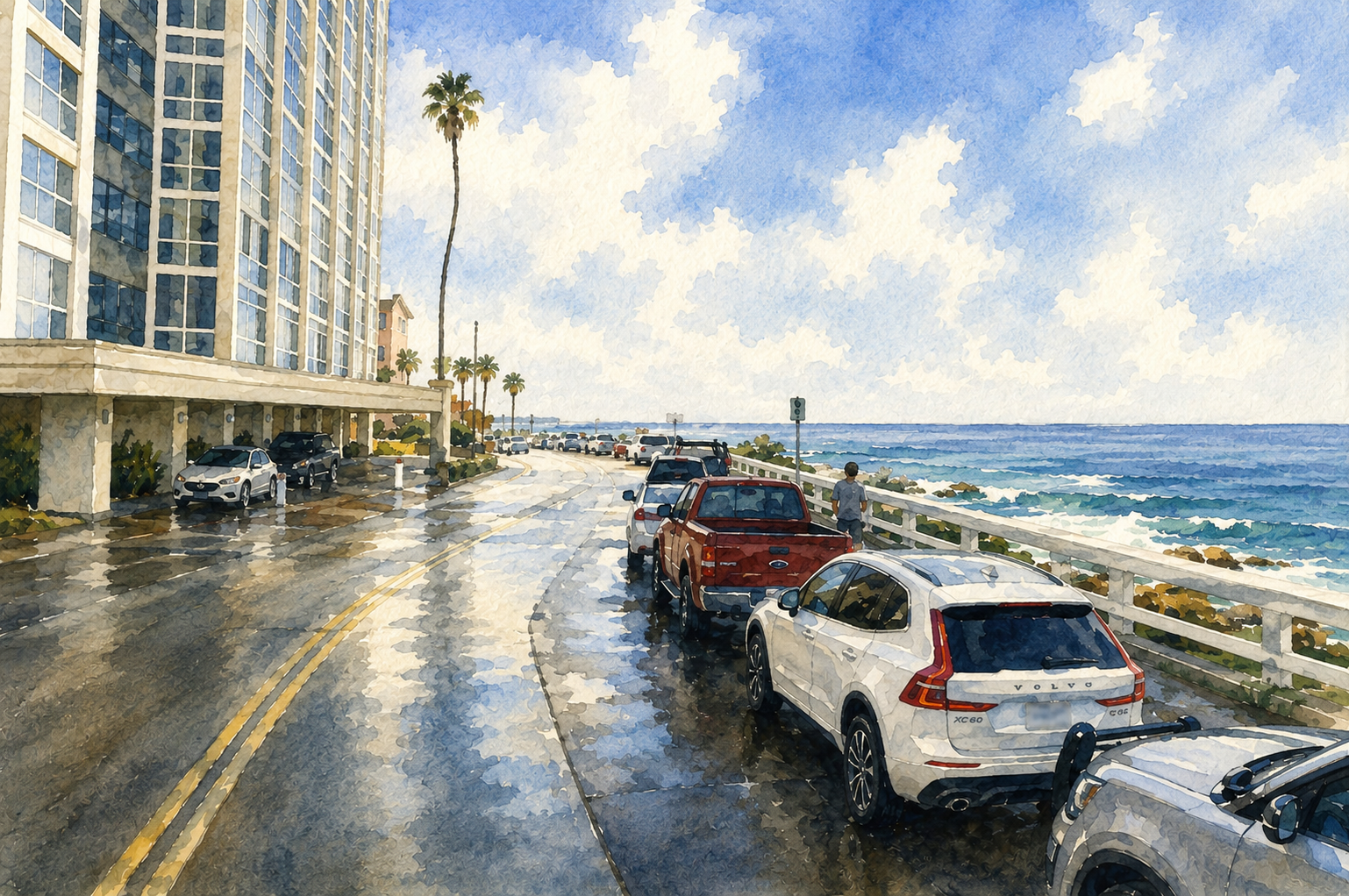
A recent city council decision to maintain free beach and bay parking across San Diego, including prime La Jolla locations, holds significant implications for the area's luxury real estate market and residents' quality of life.
As luxury real estate continues to define the allure of coastal San Diego, a recent and pivotal decision by the San Diego City Council’s Rules Committee has sent ripples through communities like La Jolla. The unanimous approval of an ordinance to maintain free parking at city-owned beach and bay lots, indefinitely for residents, underscores a deep-seated commitment to public access that could enhance the already robust appeal of La Jolla real estate [1, 2, 4]. This move, born from past public discontent over paid parking initiatives, directly influences the lifestyle and perceived value of properties in sought-after areas such as La Jolla Shores, Windansea, and The Village of La Jolla.
The Roots of a Decision: Balboa Park's Lessons
The impetus for this ordinance stems directly from the widely criticized introduction of paid parking at Balboa Park in January [1, 2, 3]. Councilman Raul Campillo explicitly stated that he brought the beach and bay parking item forward “to make sure the city learns from the lessons that the parking fees at Balboa Park pointed out” [1, 2]. The Balboa Park experience was marked by immediate backlash, including a sharp one-third drop in museum attendance, vandalism of payment kiosks, and public chastisement from neighboring city mayors [1, 2]. This significant public outcry ultimately led to the city agreeing to eliminate Balboa Park parking fees entirely by January 1, 2027 [1, 2]. This precedent clearly demonstrated the community's strong preference for free access to treasured public spaces, a sentiment that played a crucial role in shaping the current ordinance for coastal parking.
Safeguarding Coastal Access for La Jolla Residents
The approved ordinance, advanced by Council President Joe LaCava and Councilmember Raul Campillo, initially proposed a 10-year sunset date to align with a California Coastal Commission decision [1]. However, following public comment and encouragement from Councilmember Kent Lee, this sunset date was dropped, meaning free parking will be maintained “in perpetuity” for San Diego residents [1, 2, 4]. This critical amendment ensures long-term certainty for homeowners and visitors alike in coastal neighborhoods. It specifically applies to key La Jolla parking locations, including Kellogg Park at La Jolla Shores and Windansea [1].
For residents in areas like Muirlands, Hidden Valley, or even the sprawling estates of La Jolla Farms, this guarantees unfettered access to some of the region's most pristine beaches. The ability to effortlessly enjoy the Pacific Ocean's splendor, whether for a morning surf session at Windansea or a family day at La Jolla Shores, without the added concern of parking fees or the frustration of finding a spot, is an invaluable amenity. As Marcella Bothwell, chair of the Pacific Beach Planning Group, articulated, “Free, accessible parking on city-owned lots is essential to equitable public access for San Diegans citywide” [2]. This ensures that the natural beauty that defines La Jolla remains accessible to all who call San Diego home, enhancing the lifestyle proposition for luxury buyers.
Financial Flexibility vs. Community Well-being
The decision to preserve free parking was not without its financial considerations. Jillian Andolina of the city’s Independent Budget Analyst office indicated that paid parking at beach and bay lots could generate more than $10 million annually [1]. For context, Del Mar projected $1.35 million in annual parking revenue in 2024, and Santa Monica estimated $9 million from its parking operations in 2025 (though this figure included other structures beyond just beach lots) [1]. Manny Rodriguez, during public comment, urged a "no" vote on the ordinance, citing the potential for such revenue to fund critical infrastructure projects like stormwater, street, and lighting improvements [1].
However, the city council ultimately prioritized community access and the lessons learned from Balboa Park. Council President LaCava highlighted the benefit of repositioning the measure from a costly ballot initiative to an ordinance, saving taxpayers nearly $1 million through council action [2, 4]. While the removal of potential revenue streams creates budgetary challenges—leading to decisions such as the temporary closure of half of Mission Bay bathrooms [2]—the prevailing sentiment was to avoid using the beaches as a “bargaining chip” to close the city's $120 million budget deficit [3]. This unwavering commitment to maintaining free access sends a clear message about the city's dedication to preserving the quality of life that attracts and retains residents in high-value areas like La Jolla.
Implications for La Jolla Real Estate
The sustained guarantee of free coastal parking reinforces La Jolla's position as a premier luxury destination. For properties in Bird Rock, The Village of La Jolla, or even up towards Torrey Pines, proximity and accessibility to the coastline are paramount value drivers. The knowledge that residents can always access these cherished public amenities without financial barriers or the threat of future fees adds a layer of stability and desirability to the market. Compass, as a leading real estate partner in La Jolla, understands that such quality-of-life factors are integral to a property's appeal. The ability to seamlessly enjoy everything from the pristine sands of La Jolla Shores to the rugged cliffs of Windansea elevates the overall living experience.
This decision also contributes to the stability of the local economy by encouraging more regular visits to coastal areas. As beachgoer Gary Jennings noted, “If I had to pay to park right now, I probably wouldn’t have stopped by” [3]. The ease of access incentivizes both residents and regional visitors to frequent La Jolla’s businesses, restaurants, and attractions, fostering a vibrant local community. This, in turn, underpins the robust value of La Jolla real estate, ensuring that investment in this iconic coastal enclave continues to be a wise choice. The long-term commitment to free parking is not merely a policy decision; it is an affirmation of the intrinsic value of La Jolla's unparalleled coastal lifestyle.
In conclusion, the San Diego City Council’s decision to enshrine free coastal parking, especially for city residents, is a testament to the community's collective vision for accessible public spaces. For the La Jolla real estate market, this move fortifies the inherent appeal of its neighborhoods, ensuring that the natural beauty and recreational opportunities remain a cornerstone of the luxury living experience for years to come. This strategic choice by city leadership reinforces the enduring value proposition of La Jolla, making it an even more attractive destination for discerning buyers.
THINKING ABOUT LA JOLLA?
Talk to John & Tyler.
We're local. We know every block, every HOA, every off-market whisper in 92037.
LET'S TALKSOURCES CITED
- Ordinance to keep parking free at beach, bay parking lots moves on to council · timesofsandiego.com
- San Diego Rules Committee backs free beach parking for residents – NBC 7 San Diego · nbcsandiego.com
- Raul Campillo introduces plan to ensure beach parking remains free · fox5sandiego.com
- Free Beach Parking Clears Hurdle, Heads To Council | Newsradio 600 KOGO | KOGO News · kogo.iheart.com